
Making Tax Digital: Is Your Business Really Ready?
Why Digitisation Is the First Step Not the Final One
For many sole traders and landlords, Making Tax Digital (MTD) still feels like something that can be dealt with later. But the reality is that the way businesses manage tax records in the UK is already changing and those who prepare early will find the transition far smoother.
MTD is not simply a compliance exercise. It is part of a wider shift towards better record-keeping, improved accuracy, and greater confidence in getting tax right the first time. And while the benefits are clear, the deadlines are approaching.
The MTD Timeline: What You Need to Know
MTD for Income Tax will be introduced in stages, based on annual gross income:
- From 6 April 2026: Sole traders and landlords earning over £50,000
- From 6 April 2027: Those earning between £30,000 and £50,000
- From 6 April 2028: Those earning between £20,000 and £30,000
Although these dates may seem distant, successful adoption of MTD rarely happens overnight. The businesses that struggle most are often those that leave preparation too late.
Why Going Digital Is the Real Starting Point
At the heart of MTD is digital record-keeping. Moving away from paper is not just about meeting HMRC requirements. It is about working more efficiently day to day.
Digitising paperwork helps businesses to:
- Protect important documents, reducing the risk of loss or damage
- Save time and reduce errors, thanks to OCR technology that removes the need for manual data entry
- Maintain a clear digital audit trail aligned with HMRC expectations
- Integrate seamlessly with MTD-compatible accounting software, cutting down on duplication and admin
In short, digital records create clarity, not complexity.
The Business Impact Beyond Compliance
The advantages of MTD extend well beyond ticking a regulatory box. Businesses already using MTD for VAT report saving 26 to 40 hours per year on financial administration alone.
Just as importantly, confidence improves. Seventy-six percent of businesses say MTD has increased their confidence in getting tax right, while 67 percent report a reduction in mistakes. That reassurance can be just as valuable as the time saved.
Starting Small: Why Scanning Still Matters
For many businesses, the simplest way to begin is by digitising existing paperwork. Scanning invoices, receipts, expenses, and other documents creates a strong foundation for long-term compliance.
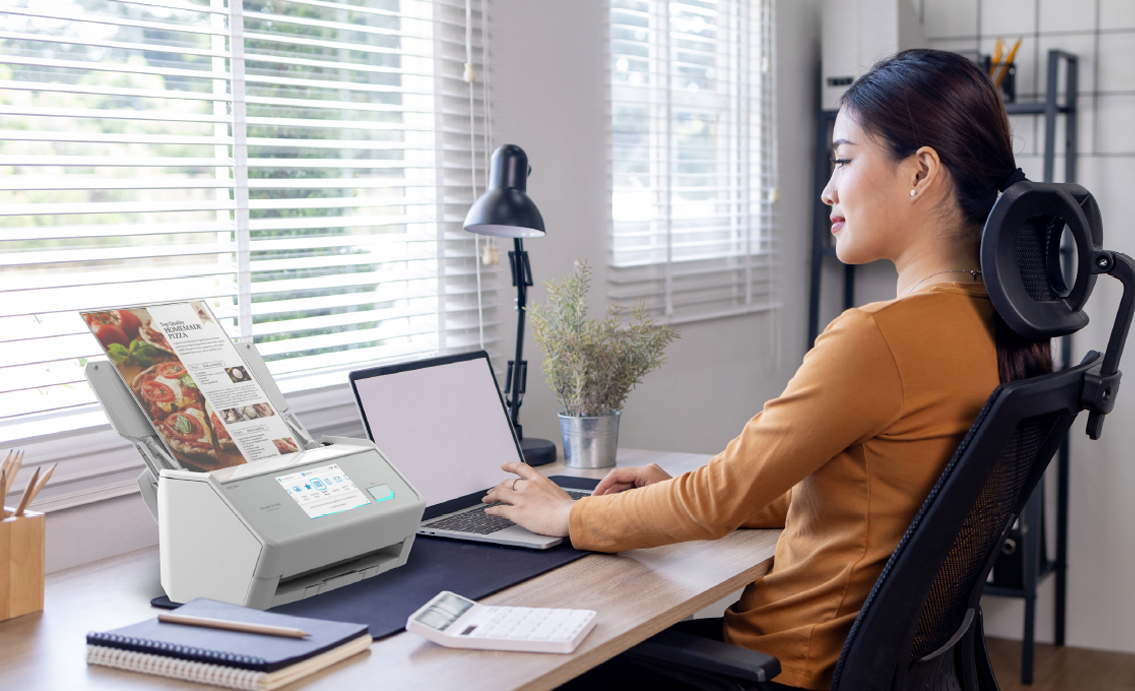
ScanSnap scanners are designed to make this process straightforward:
- ScanSnap iX2400: Ideal for individuals and small businesses looking for a simple, reliable way to go digital
- ScanSnap iX2500: Built for small and medium-sized businesses that need greater connectivity and efficiency across teams
A Practical Way Forward
Making Tax Digital does not require a complete overhaul overnight. It starts with small, practical steps, like digitising documents and building consistent habits.
By adopting the right tools early, businesses can reduce pressure, improve accuracy, and approach upcoming MTD deadlines with confidence rather than concern.
Preparation today is far easier than correction tomorrow.